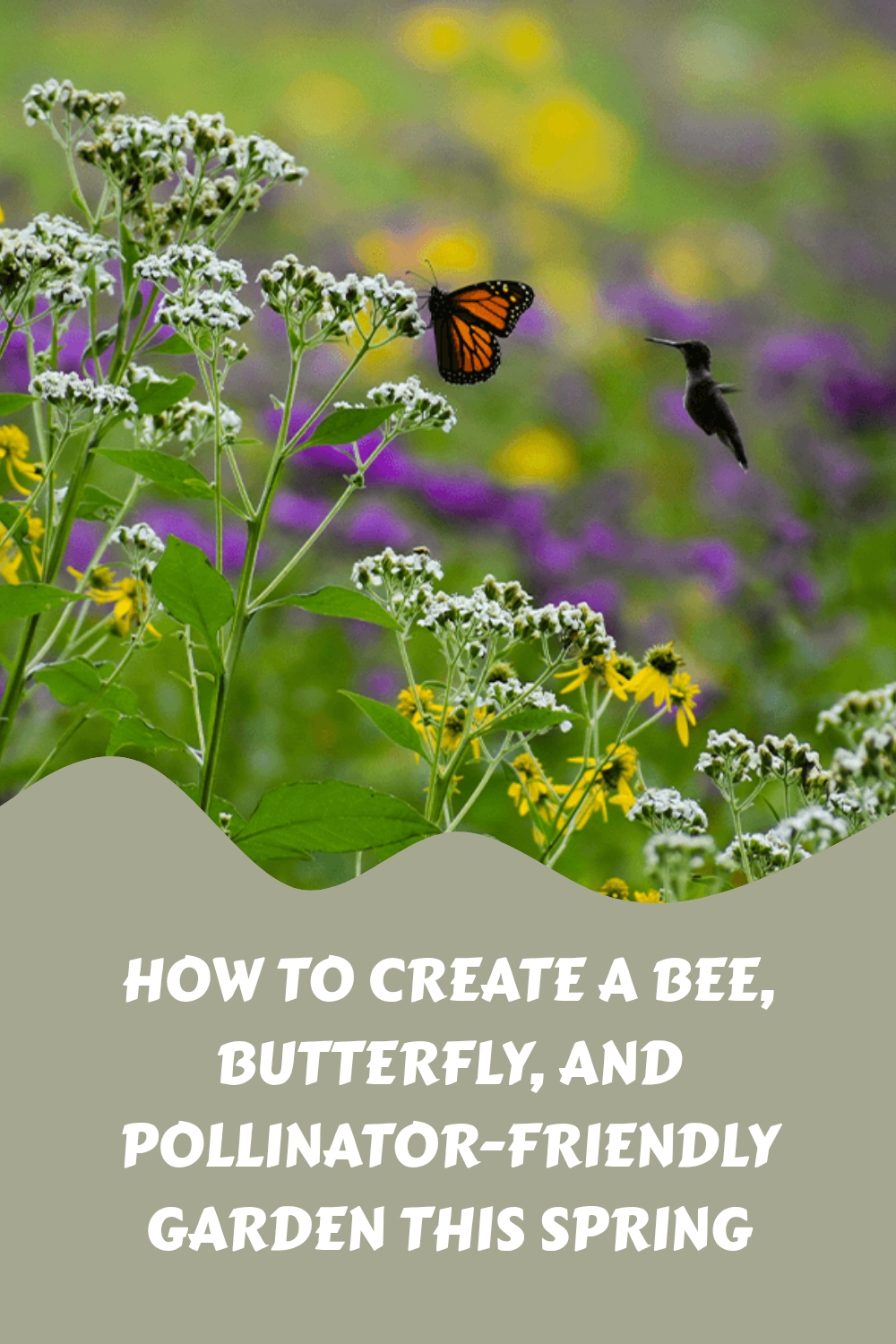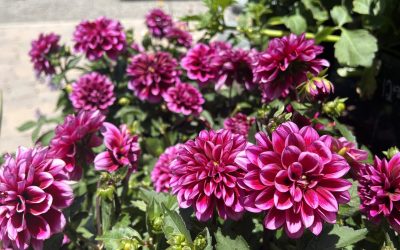
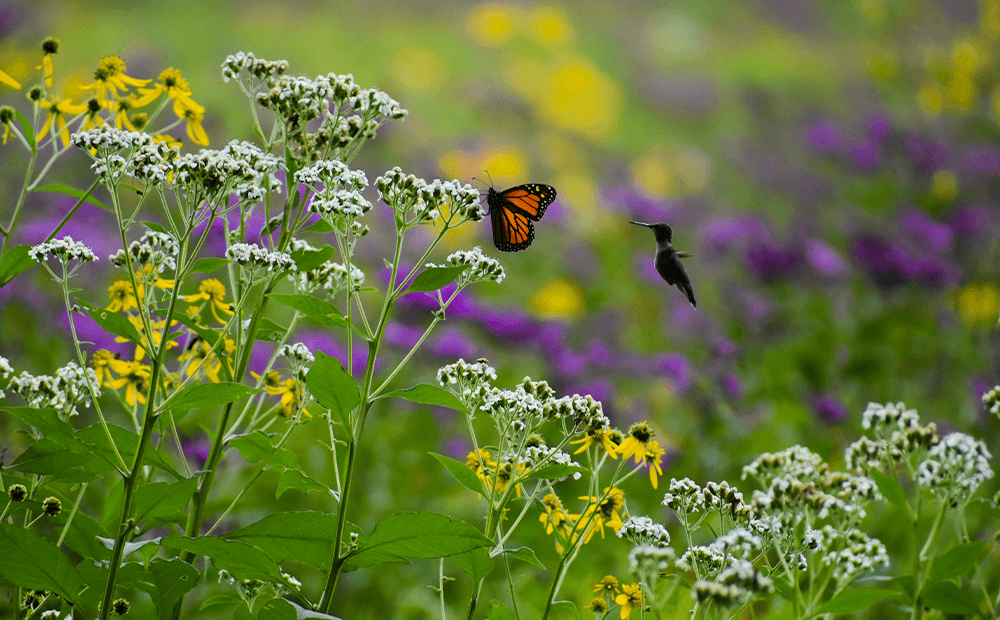
Spring is here, bringing warmer weather, blooming flowers, and the perfect opportunity to refresh your garden. One of the best ways to enhance your outdoor space is by creating a pollinator-friendly garden that attracts bees, butterflies, and hummingbirds. These essential pollinators help fertilize plants, leading to healthier flowers, fruits, and vegetables. At Cambria Nursery, we have everything you need to build a thriving pollinator garden this season!
Why Are Pollinators Important for Your Garden?
Pollinators play a crucial role in plant reproduction by transferring pollen from one flower to another. Without them, many plants wouldn’t be able to produce fruits or seeds. By planting a bee-friendly garden or a butterfly habitat, you can support local pollinator populations while enjoying a more vibrant, lush landscape.
A garden that welcomes pollinators increases flower and vegetable yields, supports biodiversity, and helps combat pollinator population decline. Simply put, a pollinator-friendly garden is a win for both your plants and the environment. Learn more about the importance of pollinators from the U.S. Fish & Wildlife Service.
Choosing the Right Plants for Pollinators
The key to attracting pollinators is selecting nectar-rich flowers and native plants that provide food and shelter throughout the seasons.
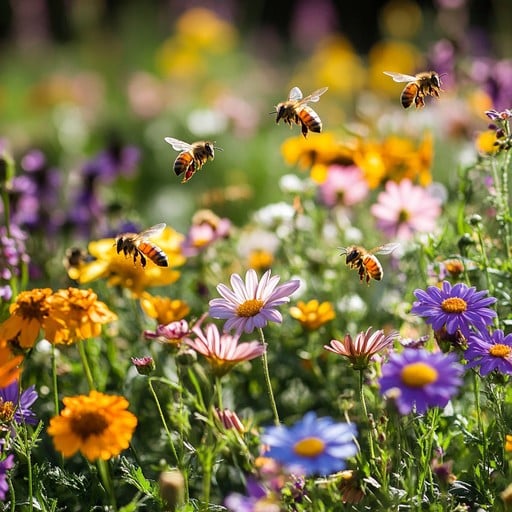
Bees are especially drawn to plants like:
- Lavender
- Salvia
- Bee balm
- Sunflowers
- Rosemary
Butterflies favor plants like:
- Milkweed (a must for monarchs)
- Coneflowers
- Zinnias
- Lantana
- Verbena
Meanwhile, hummingbirds seek out fuchsia, trumpet vine, honeysuckle, and columbine. By incorporating a mix of these plants, you’ll create a garden that buzzes with life from early spring through late summer. For more plant recommendations, check out the Xerces Society’s Pollinator Plant Lists.
Designing a Garden That Welcomes Pollinators
- Plant flowers in clusters rather than scattering them throughout your space. Pollinators are more likely to visit when they find large patches of their favorite flowers.
- Choose plants with staggered blooming times to ensure a steady food supply throughout the season, keeping pollinators coming back.
- Avoid harmful pesticides and herbicides, as many contain chemicals that can be toxic to pollinators. Instead, opt for organic gardening practices or natural pest control solutions.
- Provide a water source, such as a shallow dish with small stones for perching, to give bees and butterflies a much-needed drink.
- Create shelter with shrubs, hollow stems, or bee houses to encourage pollinators to nest and stay longer in your garden.
The Pollinator Partnership offers great tips on how to create an ideal habitat for pollinators.
Visit Cambria Nursery for Your Pollinator Garden Essentials
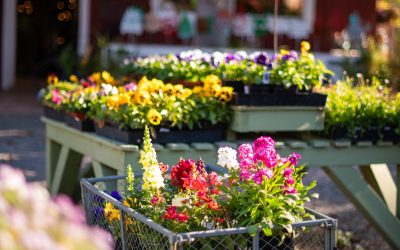
A pollinator-friendly garden is not only beautiful but also beneficial for the environment. Whether you’re starting from scratch or looking to enhance your current garden, Cambria Nursery offers a wide selection of bee-friendly plants, butterfly-attracting flowers, and organic gardening products to help you create the perfect habitat.
Visit Cambria Nursery in Cambria, CA for a curated selection of bee-friendly plants, organic gardening supplies, and expert advice on creating the perfect pollinator garden!
Let’s make this spring a season of growth—for your garden and the pollinators that keep it thriving!